
Author: Zimbrick Nissan Team
Welcome to your locally tailored maintenance guide for Nissan drivers in Madison and surrounding areas like Sun Prairie, DeForest, Waunakee, and Janesville. With decades of experience serving our community at Zimbrick Nissan, we understand the unique challenges that local roads and climate can present. This guide is designed to help you navigate the recommended service schedule for your Nissan, ensuring your vehicle stays reliable and performs at its best while adjusting to the demands of our region's weather and driving conditions.
From the snowy winters that require reliable all-wheel drive to the bustling streets of downtown Madison, we’ve crafted this guide to meet the specific needs of drivers in our area. Whether you’re commuting to work or heading out for a weekend adventure, our expertise in local driving conditions will help you keep your Nissan running smoothly for years to come.
Why Should You Follow a Maintenance Schedule for Your Nissan?
For Nissan drivers in the Madison area, adhering to a maintenance schedule is essential for safeguarding your investment and guaranteeing the reliability of your vehicle. The unique climate here—marked by hot summers and humid conditions—places extra demands on your vehicle's fluids, belts, and filters. Whether you're commuting from Sun Prairie to downtown Madison or enjoying a weekend trip to the Olbrich Botanical Gardens, your vehicle must be prepared to handle the local environment's challenges.
Regular maintenance not only enhances your Nissan's performance and fuel efficiency but also ensures your safety on the road. A well-serviced car, like the Nissan Rogue or Altima, is designed to navigate everything from the pollen-laden air in spring to the icy roads in winter. This proactive approach means fewer breakdowns and greater peace of mind as you drive along John Nolen Drive or through the bustling streets of State Street. For more tips on vehicle upkeep tailored to your needs, check out resources like Edmunds.
How Does Nissan’s Service Reminder System Work?
Many Nissan vehicles are equipped to alert you when it's time for maintenance. Depending on the model and year, this reminder might be a straightforward time or mileage counter, or it could use more advanced calculations based on how the vehicle is used. Regardless of the method, these reminders help ensure you keep up with necessary services.
When maintenance is due, you may notice a dashboard message, a service indicator (like a wrench light), a maintenance reminder, or an oil-life percentage display. Since the specifics can vary significantly by model, it's wise to consult your owner’s manual for the exact details. Local driving conditions around Madison, such as frequent short trips or stop-and-go traffic on roads like Mineral Point Road and East Washington Avenue, can also affect how often maintenance is needed, although the vehicle may not always track these conditions automatically.
What Does the Primary Service Reminder Mean?
After understanding how service reminders work in general, it’s essential to know what the primary reminder indicates. This reminder serves as a high-level alert that scheduled maintenance is due or approaching. Depending on the model, some vehicles may show a simple message or indicator, while others might provide a more detailed maintenance screen or settings menu. Since the specifics can differ among models and years, the owner's manual and in-vehicle maintenance information are your best resources to find out exactly what service is required.
Primary reminder: A general signal prompting you to check your vehicle’s scheduled maintenance guidance and prepare for service. This reminder indicates that maintenance is due, but it may not specify every individual task.
Additional details (if shown): Some vehicles offer additional information—such as a maintenance screen, percentage indicators, descriptive messages, or symbols—that can clarify what requires attention. If your vehicle presents these details, refer to them alongside the owner’s manual to confirm the recommended services.
What Do Additional Service Indicators Mean?
Many vehicles offer extra details beyond the primary service reminder, which may include additional items, symbols, or menu options. These indicators can help you understand what specific services may be needed, though their meanings can vary by model. It’s best to refer to your owner's manual or vehicle display for precise explanations.
- Tire rotation: Regular tire rotation is essential for even tread wear and optimal handling.
- Engine and cabin air filters: Engine air filters ensure proper airflow, while cabin filters maintain air quality inside the vehicle.
- Transmission fluid: Some vehicles highlight the need for transmission fluid maintenance.
- Spark plugs and valve clearance check (when applicable): Spark plugs typically need replacement at set intervals.
- Engine coolant: Coolant is vital for regulating engine temperature.
- Rear differential fluid (AWD/4WD, if equipped): For vehicles with AWD or 4WD, checking the differential fluid is important.
- Brake fluid: As brake fluid ages, it can absorb moisture and affect braking efficiency.
What is a Typical Nissan Service Schedule for Madison Drivers?
Even with in-vehicle service reminders or maintenance menus, understanding a typical maintenance timeline can help you stay ahead of your vehicle’s needs. This general overview serves as a useful reference alongside your owner’s manual and any onboard guidance, reflecting common driving conditions in Madison, such as short trips, stop-and-go traffic on East Washington Avenue, and the seasonal temperature swings we experience here in Wisconsin.
What Services Are Needed in the First 30,000 Miles?
During the initial 30,000 miles of ownership, drivers typically focus on foundational services such as routine oil changes, tire rotations, and monitoring engine and cabin air filters. The specific timing for these services can vary based on your Nissan model, driving habits, and the recommendations found in the owner’s manual.
Oil service: Most drivers find themselves scheduling oil changes based on usage. If your driving frequently involves short trips or heavy stop-and-go traffic, especially around Madison and nearby areas like Sun Prairie or DeForest, you might notice that oil service is needed sooner than for those who primarily drive on the highway.
Tires and filters: Tire rotations are commonly performed at regular intervals to ensure even tire wear. Additionally, engine and cabin air filters deserve attention, as the local environment can lead to quicker accumulation of debris.
What Maintenance Should Be Done Between 30,000 and 60,000 Miles?
As your Nissan approaches the 30,000 to 60,000-mile mark, maintenance becomes increasingly focused on preserving key systems, particularly through fluid services and regular inspections. The specific timing for these services can vary widely based on your model, powertrain, and driving conditions, so always refer to your owner’s manual and in-vehicle maintenance reminders for tailored guidance.
Transmission fluid: A well-maintained transmission fluid supports smooth shifting and enhances the longevity of one of your vehicle's most vital systems, crucial for handling diverse driving conditions.
Brake fluid, brakes, and tires: Regular inspections of brakes and tires become increasingly vital as mileage increases, ensuring safe stopping and reliable handling on local roads like East Washington Avenue and Fish Hatchery Road.
What Major Services are Required Approaching 100,000 Miles?
As your Nissan approaches the 100,000-mile mark, you may hear discussions about important maintenance services that can enhance your vehicle's longevity. While the exact requirements may vary based on your specific model and engine, it’s essential to consult your owner’s manual for tailored guidance.
Spark plugs: Fresh spark plugs can improve your vehicle’s efficiency and ensure a smooth ride, particularly as wear accumulates over time. A well-maintained ignition system contributes to reliable starting and optimal engine performance.
Timing belt (if equipped) and coolant service: Certain older engine designs may require a timing belt replacement, while many modern engines feature timing chains that typically don’t need replacing on a set schedule. Maintaining these systems is vital for reliability.
Why is Local Expertise Important for Servicing Your Nissan?
Having a service team that understands the unique driving conditions of Madison and the surrounding areas is invaluable for maintaining your Nissan. From the sweltering summer heat and high humidity that can strain the A/C systems to the clay-rich soil that can clog air filters, local technicians are trained to identify and address region-specific challenges. The well-trodden routes around State Street and the heavy traffic patterns on the Beltline can lead to distinct wear on tires and brakes, which our team expertly monitors during routine service.
For those living in areas like Sun Prairie or DeForest, understanding these local factors means your Nissan will be better prepared to handle everything from icy winter roads to pollen-laden spring weather. Resources like the National Highway Traffic Safety Administration (NHTSA) offer valuable safety information, while Nissan’s official owner resources provide specific details tailored to your vehicle.
Frequently Asked Questions (FAQs)
How often should I change my oil in Madison's climate?
Your best guide is your vehicle's service reminder or owner's manual, especially with our harsh winters and varied driving conditions.
Are all-season tires suitable for driving around Madison?
High-quality all-season tires generally perform well for most of the year in Madison, providing adequate traction for light winter conditions and rain. However, during heavy snowfalls, you might want to consider dedicated winter tires for improved safety.
Does commuting on local highways affect my service intervals?
Absolutely. Frequent stop-and-go traffic, particularly on busy routes like the Beltline, can accelerate wear on your engine and brakes compared to steady highway driving.
How often should I change my cabin air filter, especially with pollen in the spring?
It's wise to inspect your cabin air filter regularly to keep the air inside your vehicle fresh and help the A/C perform efficiently.
Is AWD worth it for driving in Madison?
While AWD isn't essential for everyone, having it can be a major advantage during Wisconsin's snowy winters.
What maintenance schedule should I follow for older vehicles without a service reminder?
If your vehicle lacks a service reminder system, always refer to your owner's manual for specific intervals on maintenance items like filters and fluids.
About Zimbrick Nissan
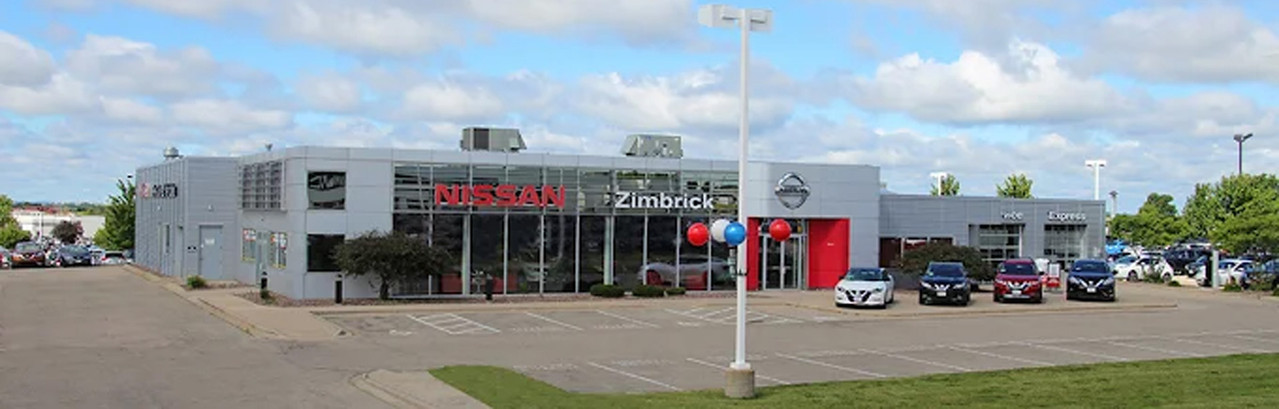
Since 2003, Zimbrick Nissan has been a trusted, family-owned dealership in the Madison area, dedicated to making your car-buying journey simple and transparent with our no-haggle pricing. We welcome everyone, including your pets and children, with amenities like a pet-friendly showroom and a kids' playroom. Our award-winning service department features Master Certified Technicians ready to provide top-quality care for your vehicle. As a proud community partner, we actively support the United Way of Dane County, reinforcing our commitment to the people we serve.